
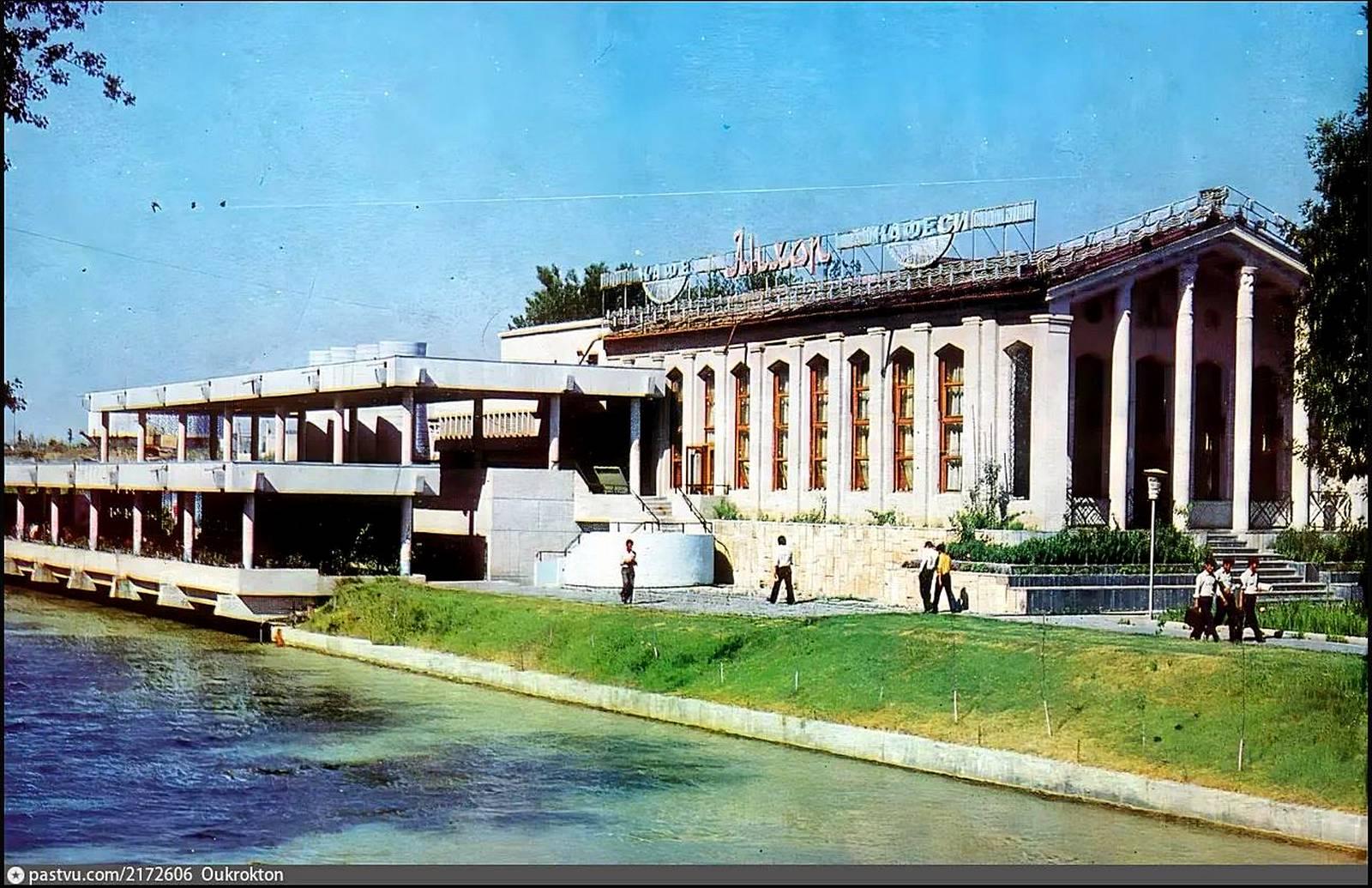
The teahouse on the Anhor canal bank was built in 1956 according to the design of architect V. M. Dmitriev and is included in the list of tangible cultural heritage objects of Uzbekistan. Many Tashkent residents visited the teahouse — it was especially pleasant to sit over the water during the summer heat.
The café is located on the site of the
former Kokand fortress Urda, constructed in the first half of the 19th century.
The bridge over Anhor next to the café connected the old city with the new one,
settled by Russians, in the late 19th to early 20th century.
The café building was designed with
national elements but has undergone multiple reconstructions. For instance, in
1979, the café was expanded with new premises added, resulting in two halls —
summer and winter — with 280 seats.
During the 2012–2014 reconstruction of the
Anhor embankment, part of the buildings added in 1979 was demolished. At that
time, construction of a multi-story building next to the café began. Following
public outrage from Tashkent residents, the construction was halted in 2023 and
dismantled.
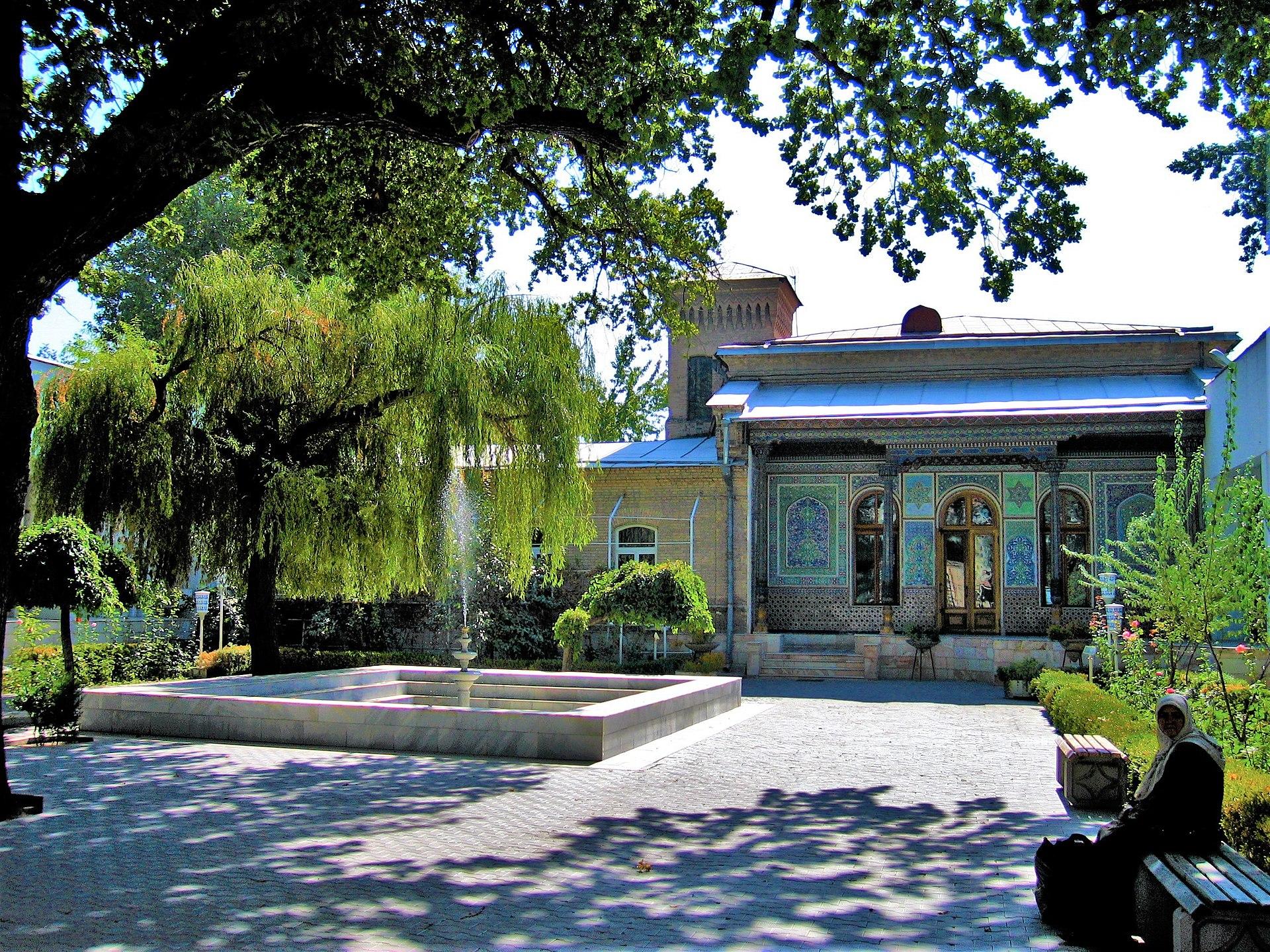
One of the most fascinating and educational places in Tashkent is the State Museum of Applied Arts...

The Academy of Sciences building on Yahya Gulamov Street (formerly Gogol) involuntarily draws atten...
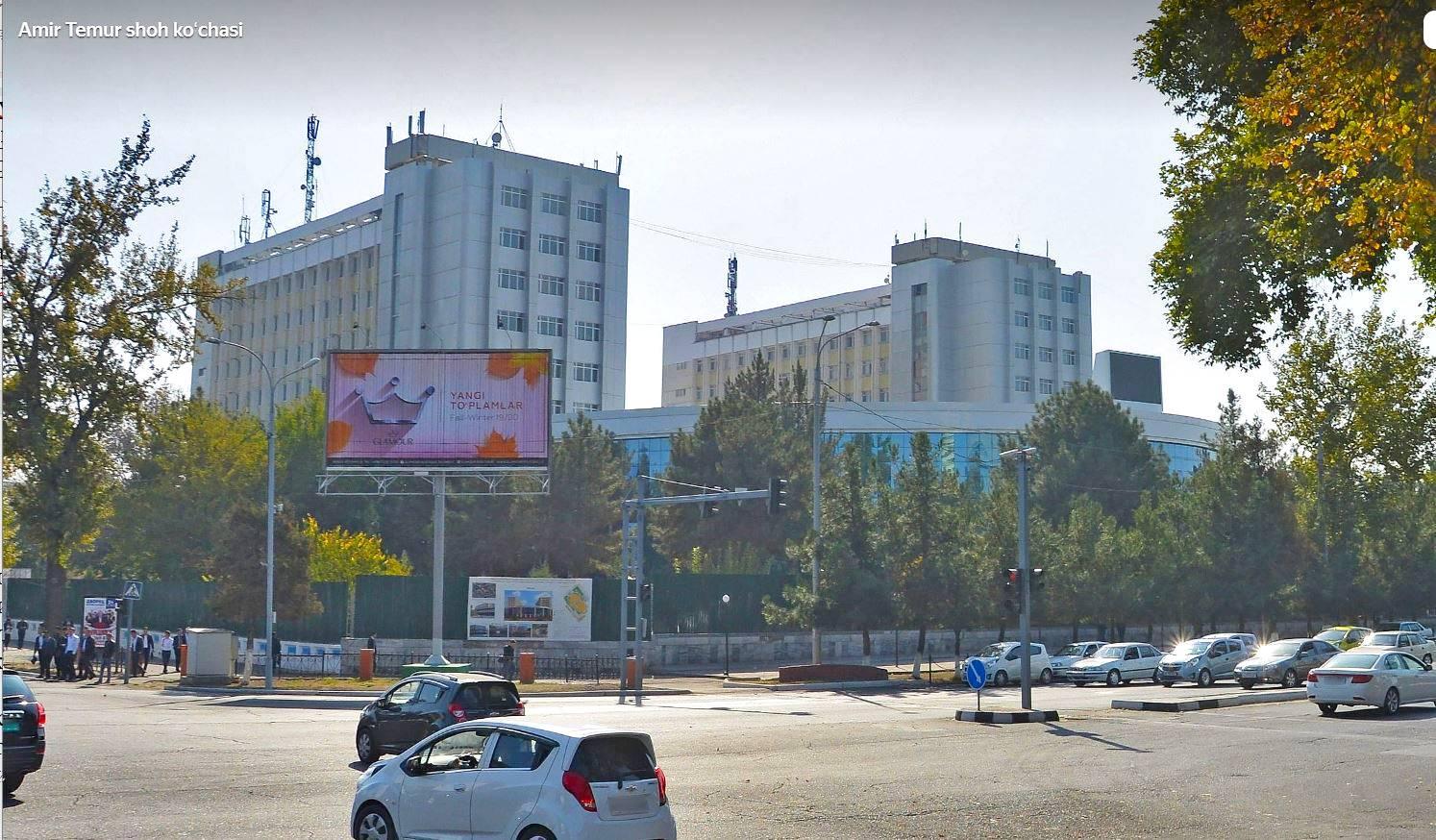
The Tashkent Automobile and Road Institute was established in 1972 based on the Automobile and Roa...
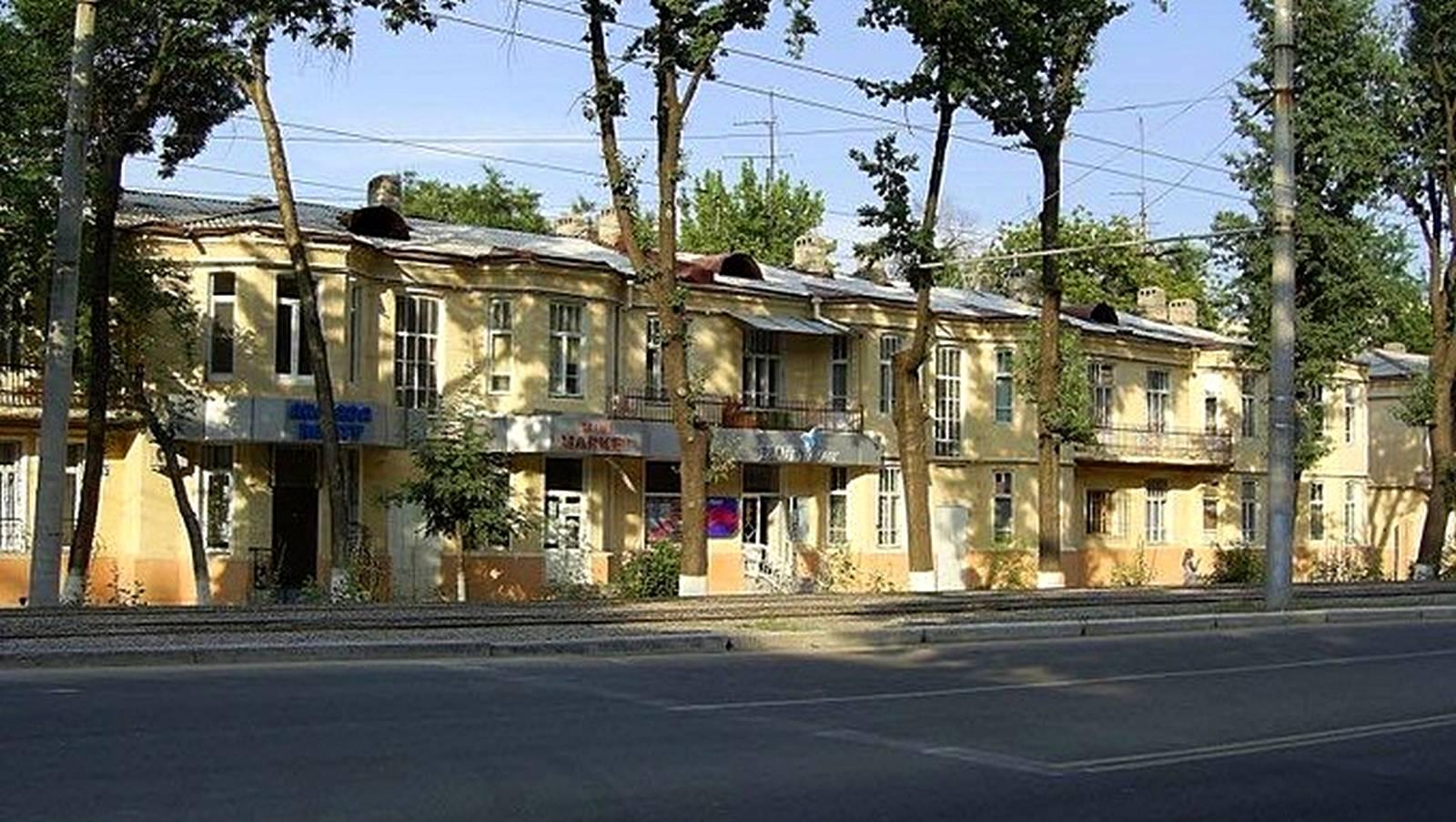
The two-story building on Amir Temur Avenue (formerly Proletarskaya Street) was built in 1927 in th...