

The “Samarkand” teahouse was built in 1975 on Samarkand-Darvaza Street.
Architect: S. Sutyagin; engineers: A. Braslavsky and
V. Ten; artists: A. Gan, V. Gan, A. Fertman, R. Avakyan, Yu. Kiselyov and A.
Ovsepyan.
This unusual pyramid-like teahouse was erected for the
2500th anniversary of Samarkand celebrated in the 1970s. The outward-sloping
pylons and the dome between them created the building’s recognisable
“fairytale” silhouette. In Soviet times, a statue of Nasreddin Afandi stood in
front of the entrance — well known to older generations of Tashkent residents.
During the years of independence, the building changed
owners several times and underwent multiple reconstructions. The last
reconstruction, which also affected the exterior, took place in 2017. Of the
former expressive appearance, only the characteristic sloping pylons remain.
The loss of the original architecture is linked to various organisations
occupying the building and decorating their premises without a unified concept
or desire to restore the teahouse’s original look.
Although in Soviet times it was included in the list
of city-significant monuments, today the “Samarkand” teahouse does not have the
status of a cultural heritage object.
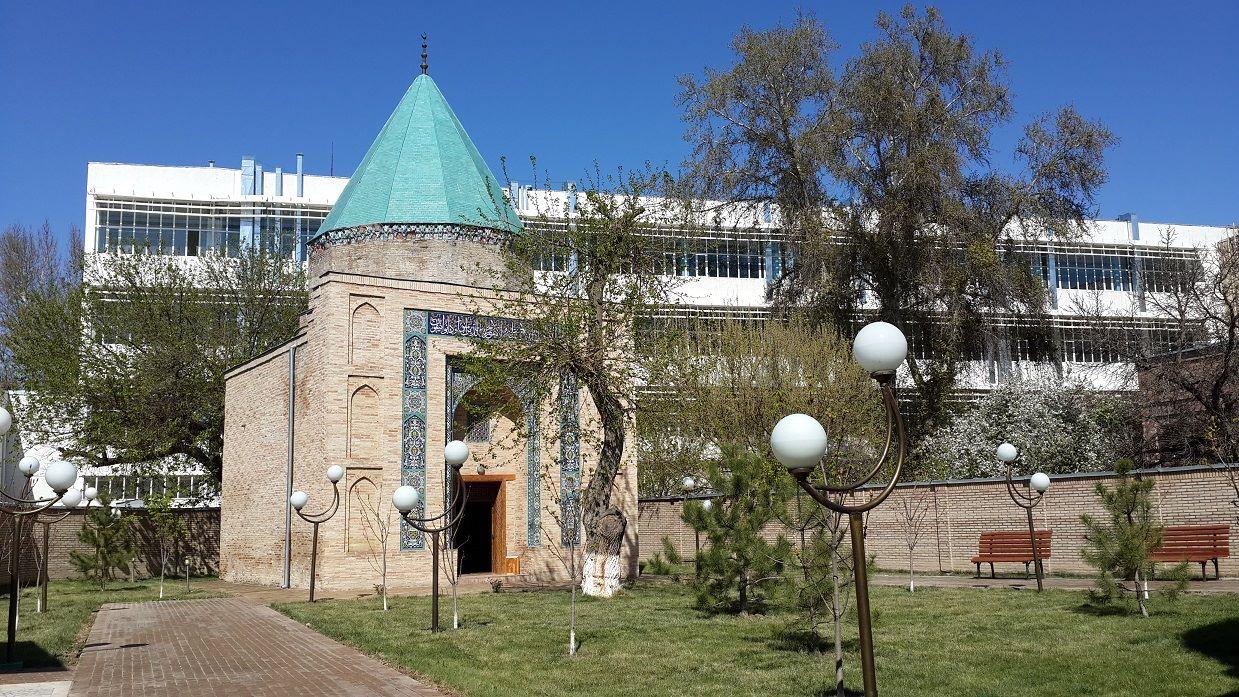
The Tole-biy Mausoleum (or Kaldyrgach-biy Mausoleum) is one of the most famous landmarks in Uzbekis...
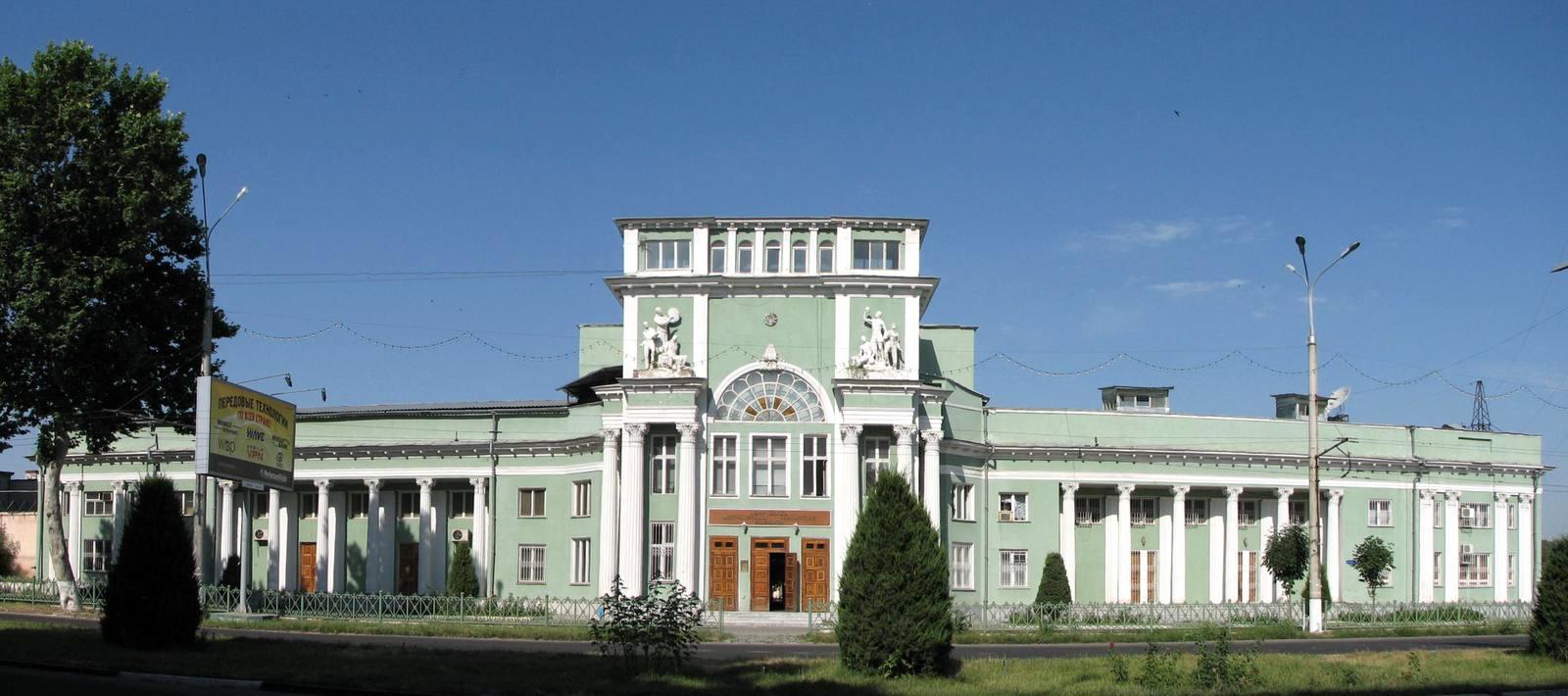
The Shoemakers’ Palace of Culture of Tashkent Production Shoe Association No. 1 was built in 1936 a...
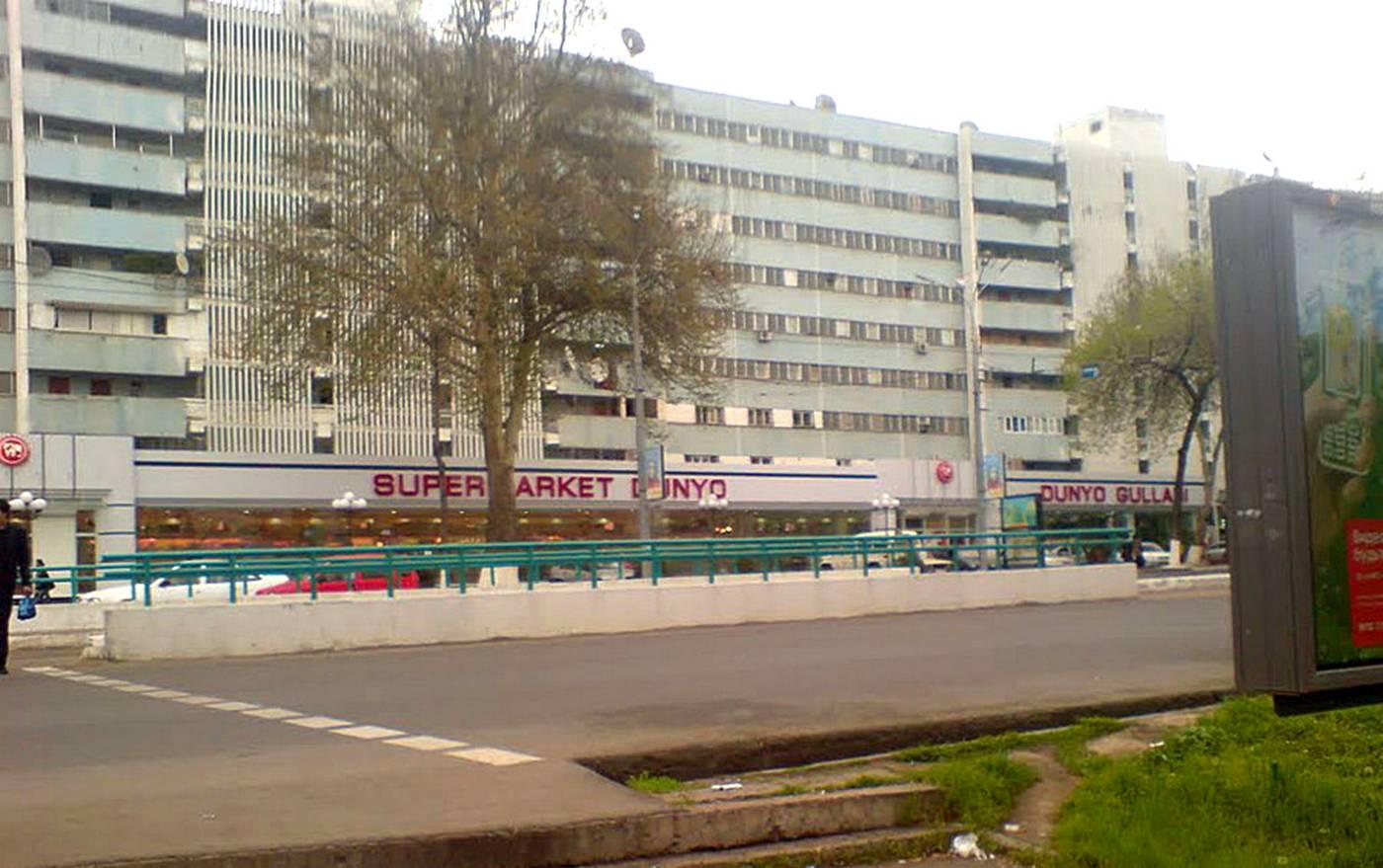
The light-blue nine-story residential buildings with the “Children’s World” store, constructed in ...
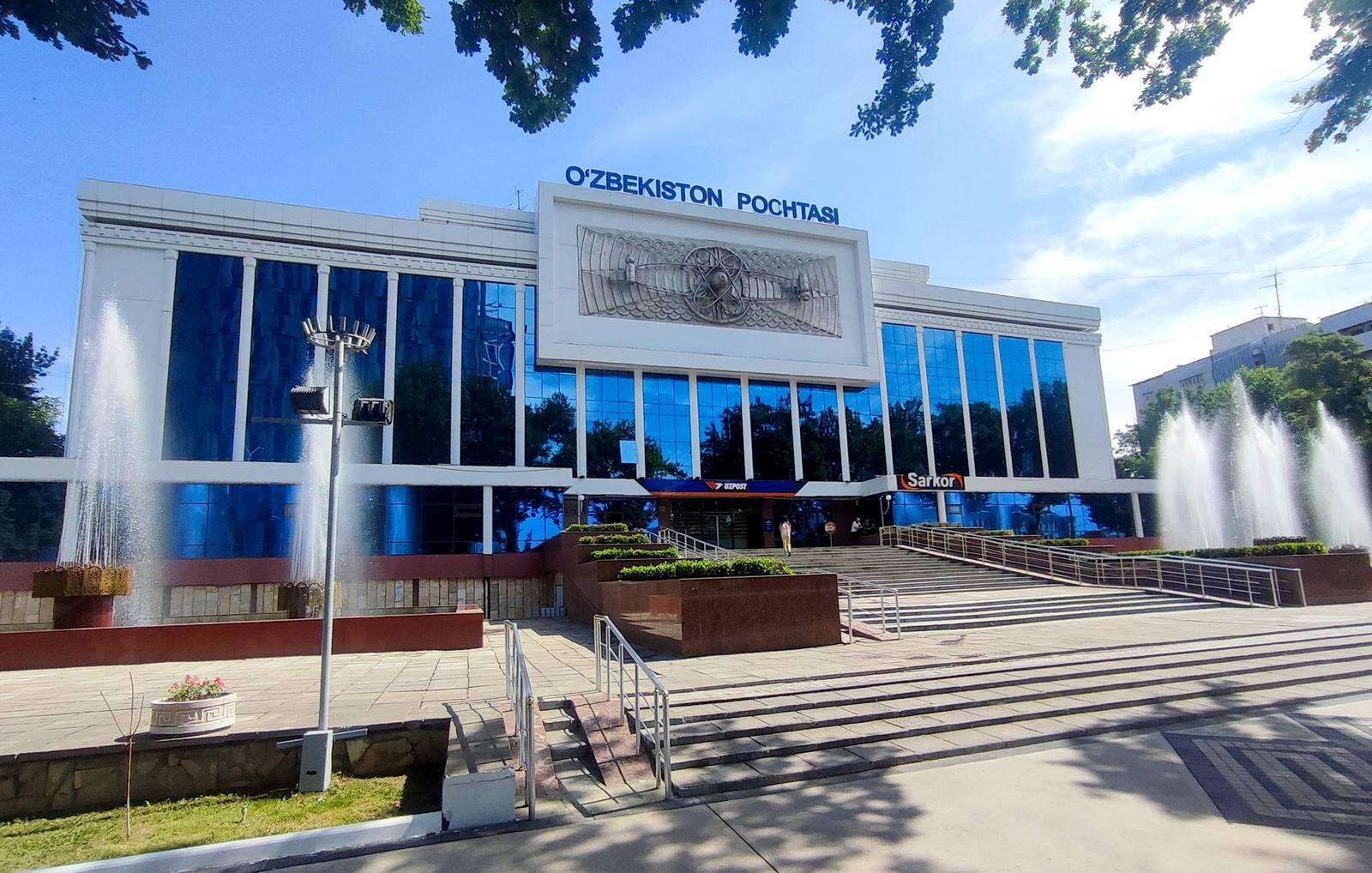
The new building of the Main Post Office opened in 1984 on Shahrisabz Street, formerly Pervomayskay...