
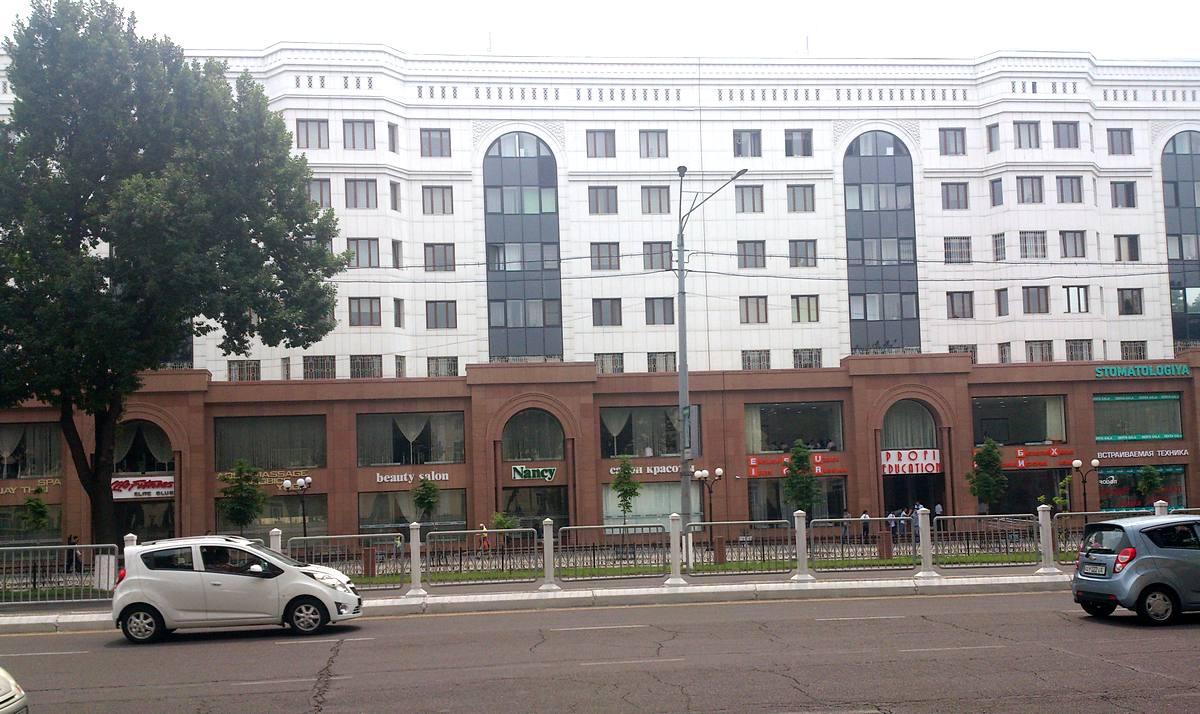
In the spring of
2011, the Navoi Fair was demolished, and construction of eight seven-story
residential buildings began in its place. The residential complex project was
developed by the “Toshkent boshplanLITI” institute on the initiative of the
first president. By the end of 2012, the buildings were completed, and
residents moved into 320 apartments.
The facades of the first two floors, where various organizations are located, are faced with red granite; the upper five floors are finished with white glass-crystallite.
Each building consists of two block sections with 20 apartments each, totaling 40 three-, four-, and five-room apartments.
The buildings are designed with a 24.5-meter setback from the highway to create a noise protection zone. A boulevard with chestnut trees has been laid out between the street and the residential development, and on the courtyard side, there is a 32-meter park zone with chestnuts, pines, oaks, flowers, and shrubs. To improve the microclimate, fountains have been built, and children's and sports playgrounds have been installed.
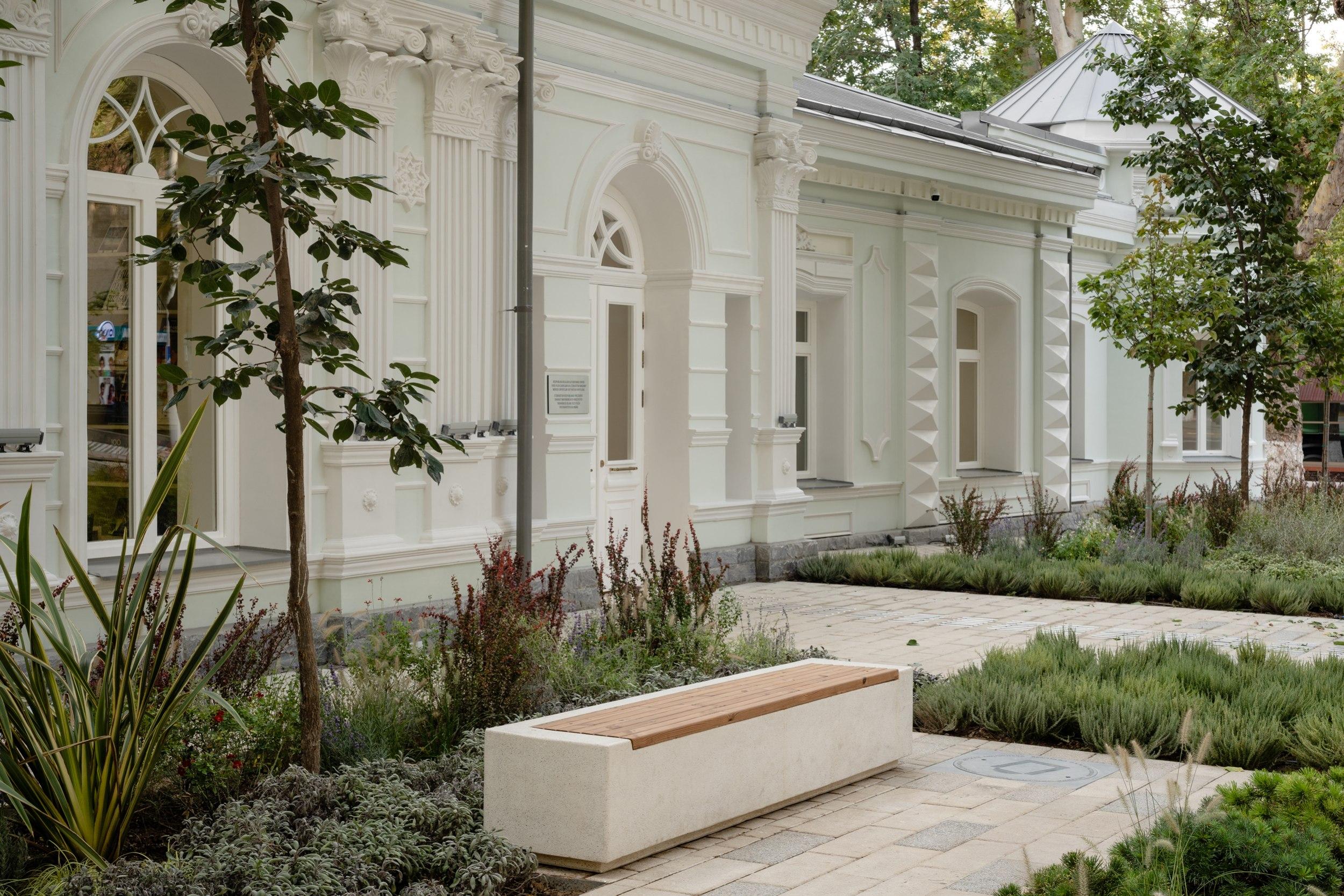
Many people have noticed the beautiful round-towered building in the Ts-1 district, and many also ...
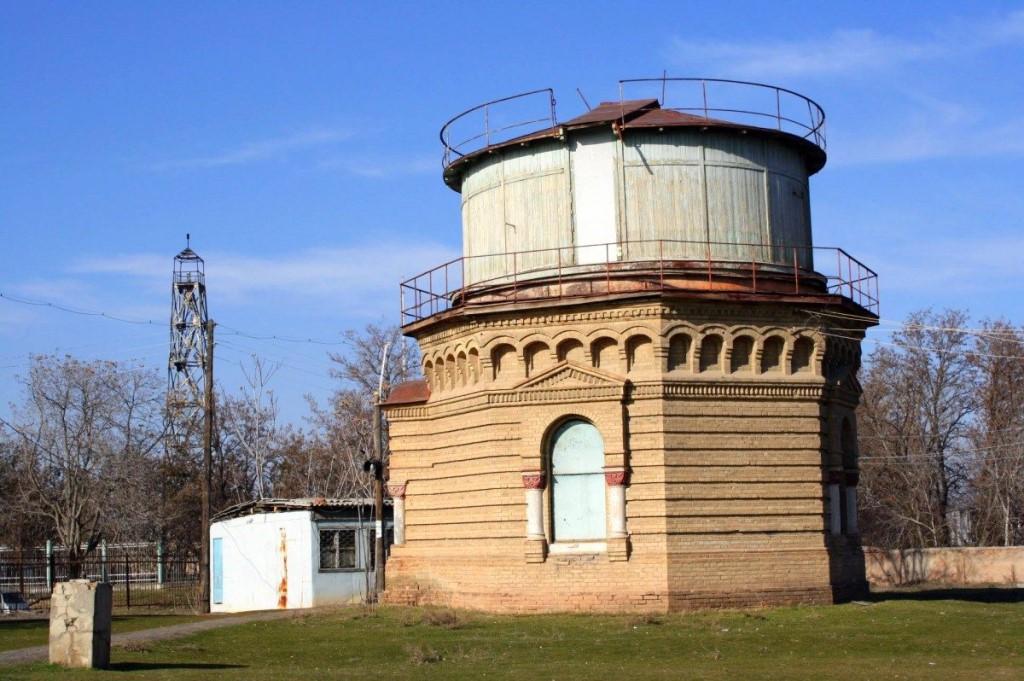
In 1870, the military leadership of Tashkent decided to build an observatory. In 1872, a suitable ...
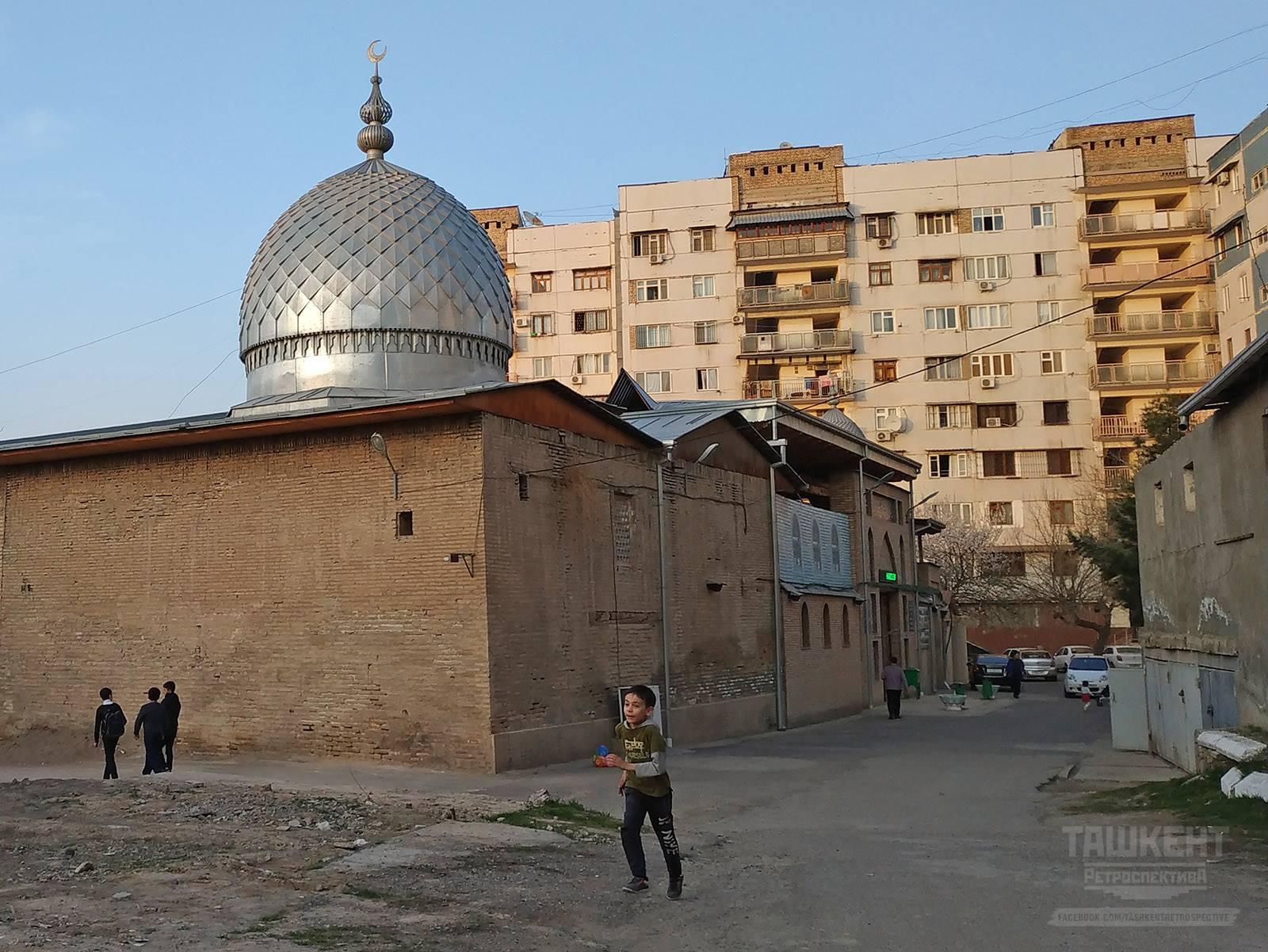
The mosque was built in the 15th century near the grave of the righteous Ukkosh on the ancient Sama...
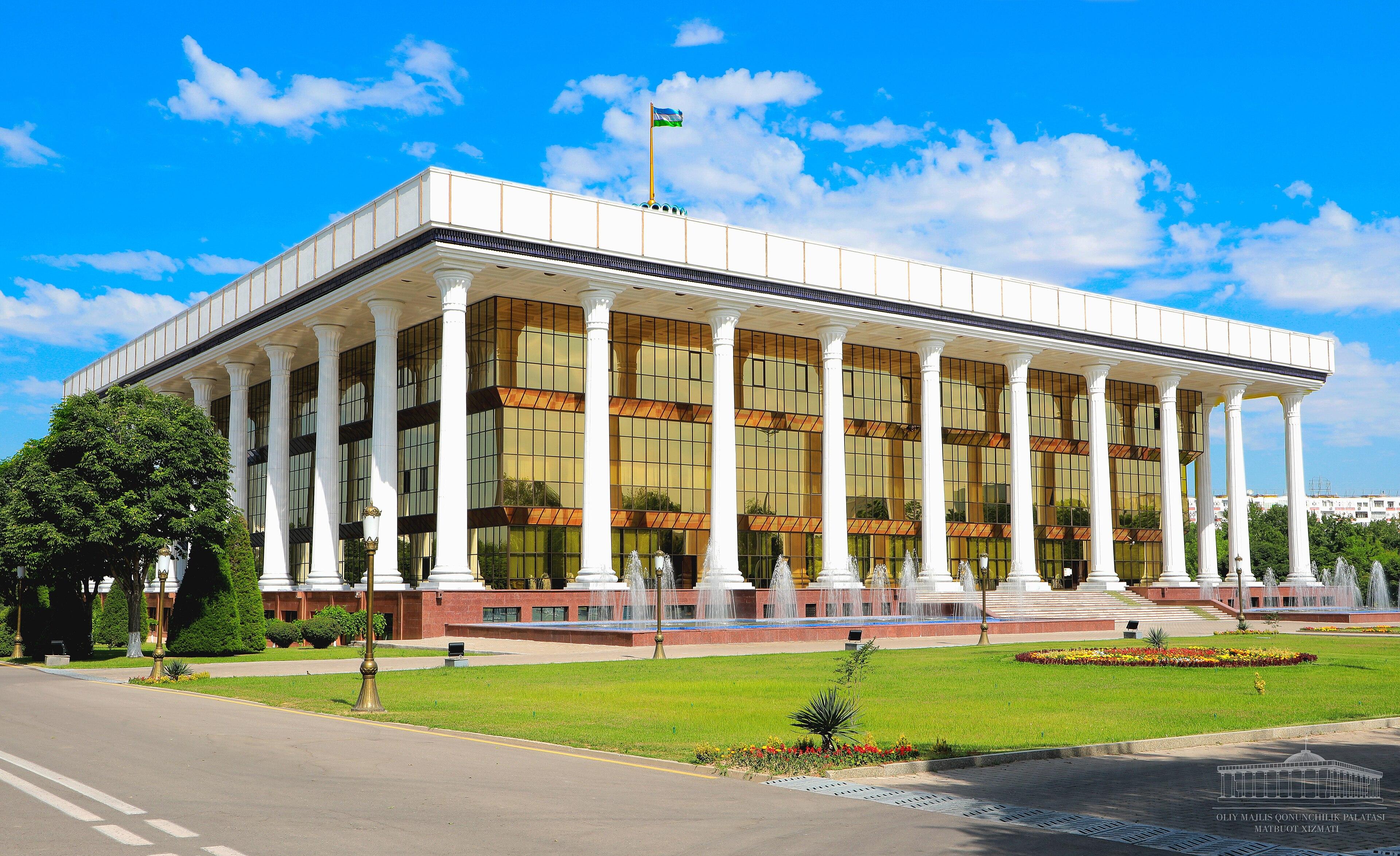
The building is easily recognizable due to its monumental architecture. It was constructed in 1997...