
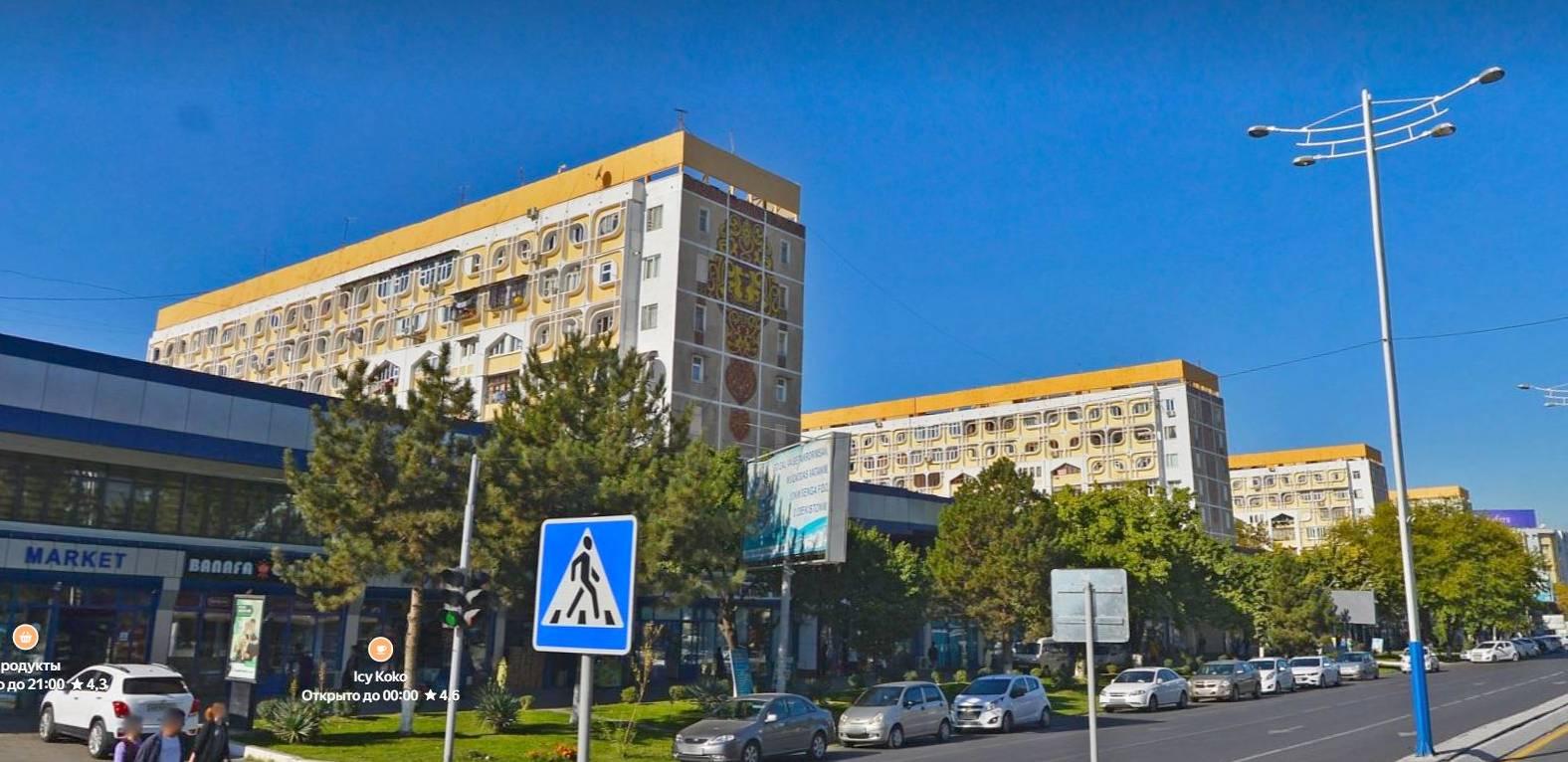
The distinctive buildings of the Bogkucha housing estate were designed by architects G. Korobtsev, S. Adylov, I. Koptelova, L. Adamov and A. Mukhamedshin, with engineers T. Shakhsvaryan and Ye. Chincheva.
The project is remarkable
for two objects.
The first is a row of
nine-storey blocks whose end façades face Birusniy Avenue. These ends are
decorated with orange-toned mosaics by the Zharsky brothers. The nine-storey
buildings are connected by a low block containing everyday and cultural
services: grocery and vegetable shops, a café, household appliance store,
pharmacy, dry-cleaner, post office, fashion atelier, and workshops for shoe and
appliance repair. This same block once housed the very popular “Guncha”
children’s cinema. Construction period: 1973–1977.
The second unusual object
is an experimental four-storey 60-apartment building with 5- and 6-room flats
and large terraces. According to the architects’ concept, these apartments for
large families were intended to replicate the living conditions “on the ground”
typical of traditional mahallas. The spacious terraces evoked mahalla
courtyards — one could place topchans there and cook food. Families relocated
from old-city mahallas slated for demolition were settled here. However, the
project remained experimental and was not developed further for a number of
reasons.
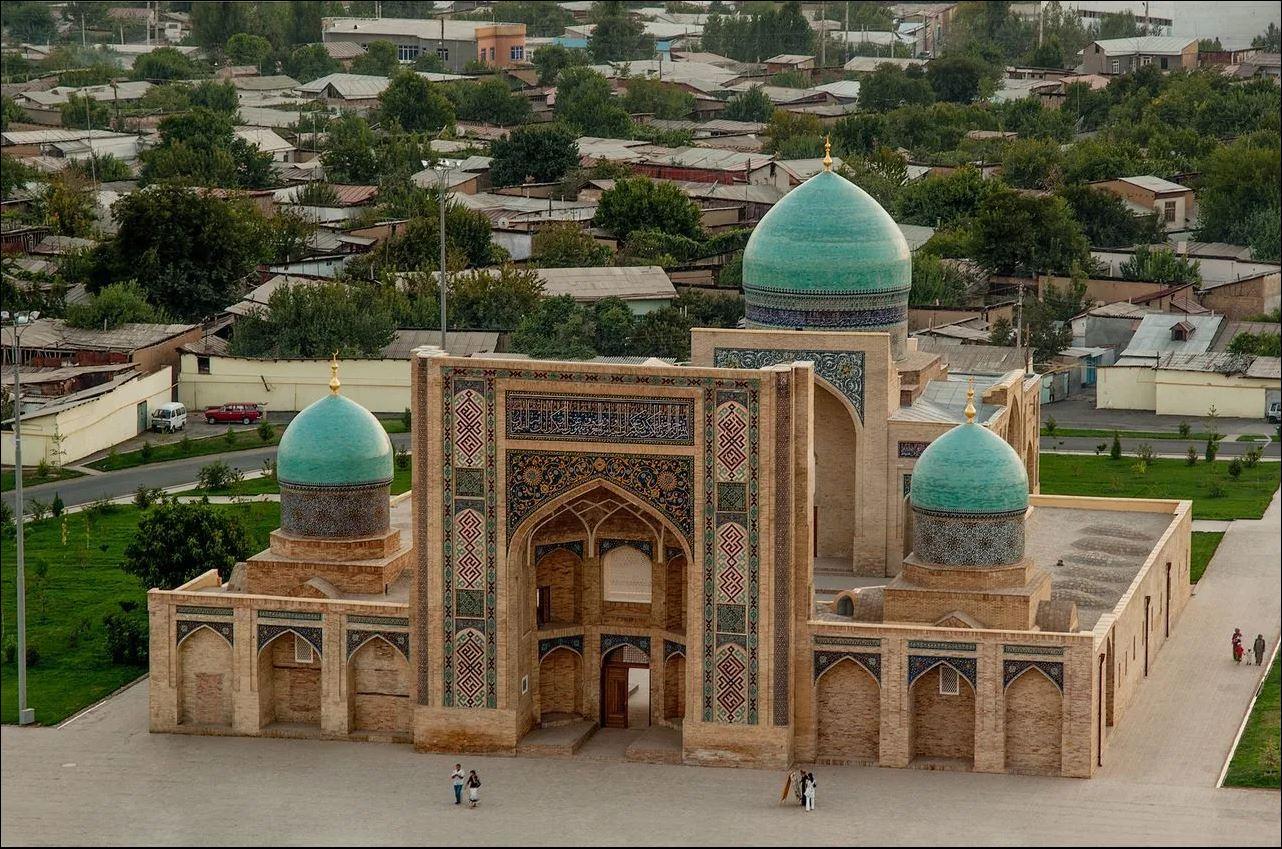
In 2007, the Hastimam or Hazrati Imam complex was opened in honor of the great theologian and schol...
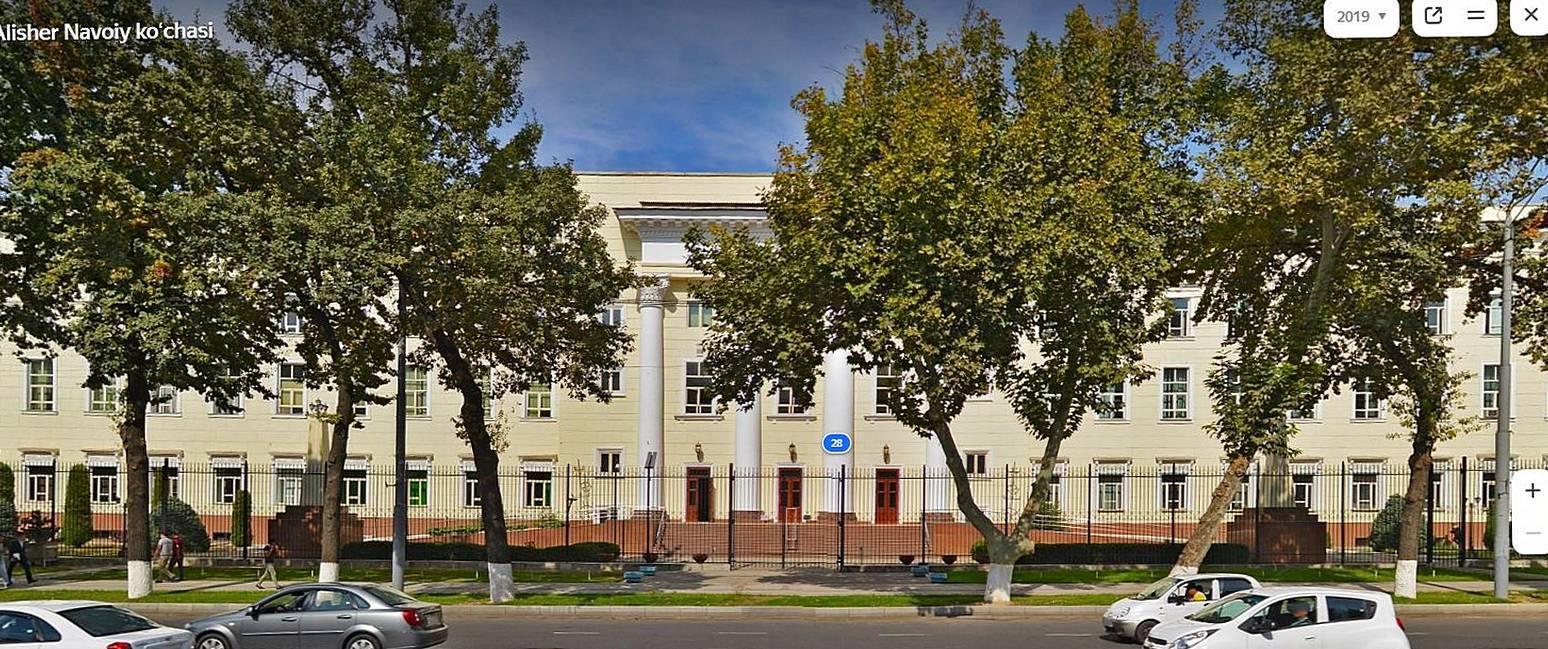
The Central Telegraph building is one of the most beautiful in Tashkent. It is part of the “Stalin-...
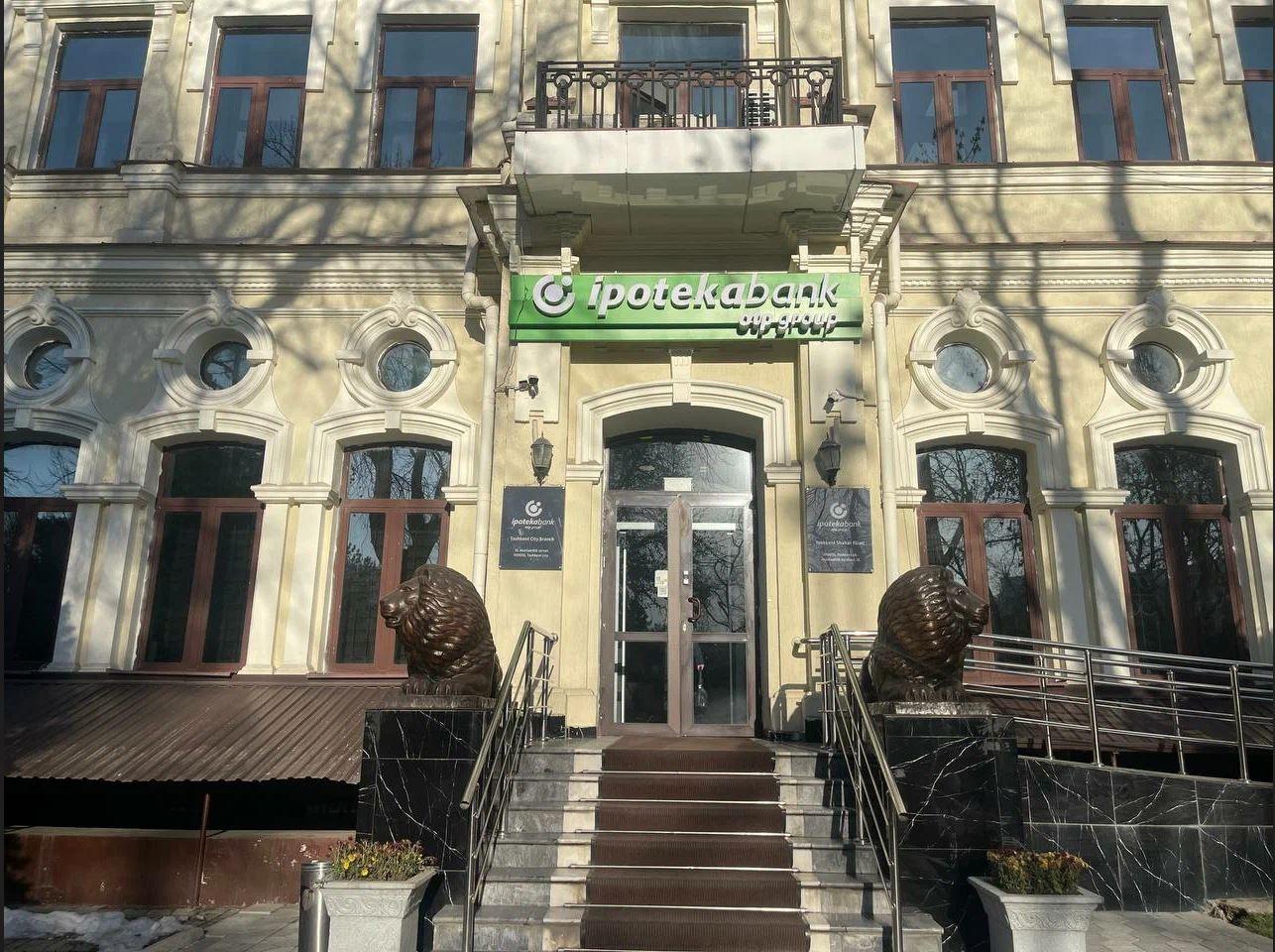
The botanist and pharmacist Hieronymus Ivanovich Krause arrived in Tashkent in 1870 and began worki...
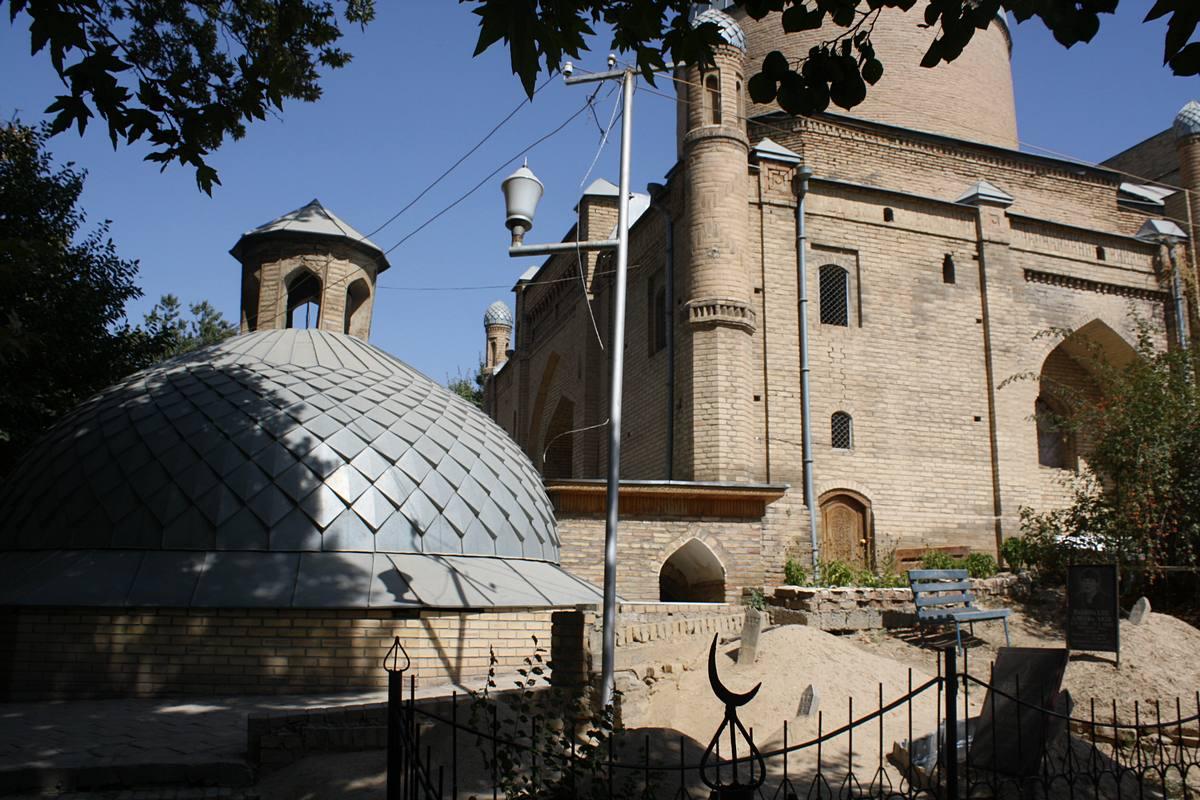
Sheikh Zaynuddin (also known as Zayniddin), the patron saint of Tashkent, was born in Baghdad in t...